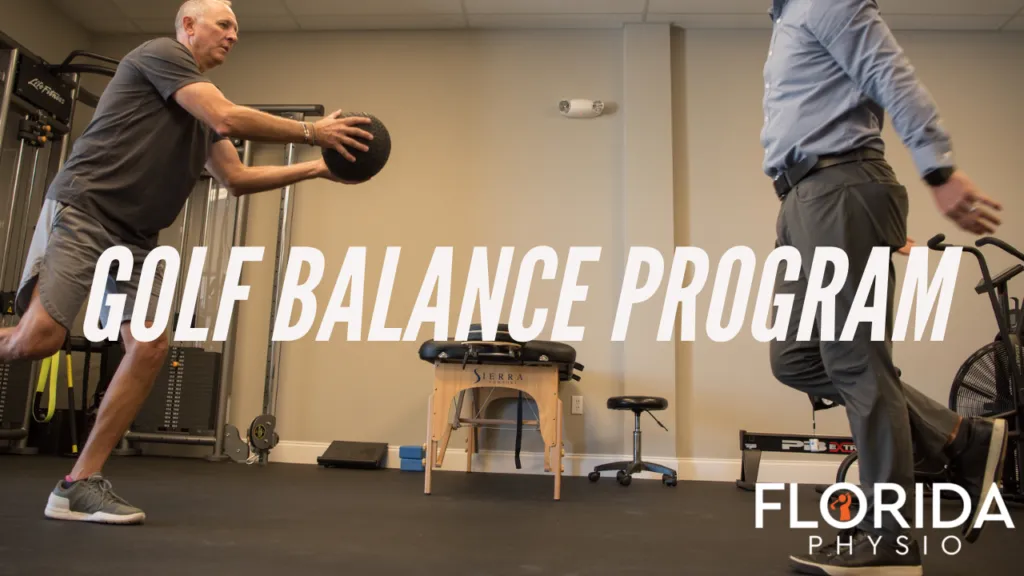
There are times when we play golf every day and others when we don’t pick up the clubs for months. A break can even make some swing flaws disappear. Still, it’s important to return safely and minimize the risk of injury.
Don’t Start on the First Tee
Golfers are often anxious to return, head to the first tee, and immediately try to rip a driver down the fairway. Swinging a club requires substantial muscle involvement and strength, and drivers can be swung at more than 100 mph.
Start small. Do nothing more than chip in the beginning, then take time to transition back into the full game.
Stretching Is Important
Stretching matters whether you’re returning after a break or playing every other day. It’s not enough to touch your toes once before swinging. Prepare the back, legs, arms, wrists, and shoulders with a routine that loosens the muscles before a round.
The Short Game Is Key
Chipping and pitching are easier on the body than hitting full drives, and the short game is a miniature version of the full swing. Sound short-game fundamentals can carry into the long game.
Start with a wedge and a few balls. Hit shots 20 or 30 yards, focus on tempo and soft landings, and don’t worry about distance yet. Continuing to practice the short game after returning will also make you a better player.
Start With Nine Holes
Eighteen holes can be taxing after a long break. Nine holes provide time on the course without pushing the body as hard as a four- or five-hour round. A solid nine-hole round is better than having to stop after 14 holes because you did too much too soon.
Walking Is Helpful
Walking keeps the body limber throughout the round. In a cart, repeated sitting can allow the muscles to cool down. A pull cart makes walking easier on the back and shoulders, and nine holes on foot can be a better transition than 18 holes in a cart.
Allow Yourself Time
The appropriate return depends on how long you’ve been away. A week or two may require only a short range session, while months or years away can require several weeks of gradual practice.
Start with a wedge and nine iron, hitting chips and half shots before full swings. Progress to mid-irons and hybrids while focusing on tempo and balance. Add the driver last, and don’t stand on the range hitting 45 drives in a row—practice should resemble the game.
Summary
Give yourself time, start small, and take care of your body. Put a safe transition ahead of trying to hit the ball 300 yards on day one, and you’ll give yourself a better chance at a long, injury-free golf career.